




The Scone, Tender and New

That first split scone—steam rising, crumb yielding, jam shining—sets the tone for everything that follows. Recreating it without wheat or dairy means balancing starches for softness, whole-grain notes for flavor, and just enough structure to hold warmth and spread. We will work with sorghum, oat, and almond flours, a touch of tapioca for tenderness, and plant fats that stay cool for flakiness. Expect a gentle sweetness, golden edges, and a crumb that invites conversation.

Choosing the Right Flour Blend

Sorghum offers gentle body, almond brings richness, and oat adds cozy familiarity, while tapioca or arrowroot tenderize the crumb. A teaspoon of psyllium husk or a pinch of xanthan helps mimic gluten’s cohesion without heaviness. Keep flavors balanced by avoiding overuse of coconut flour, which drinks moisture. Sift thoroughly, whisk with baking powder and a kiss of sugar, and taste your dry mix before adding liquids to ensure your base already sings.

Fat, Moisture, and Lift

Cold plant butter provides flake, and grated cocoa butter heightens structure without dairy, especially when folded quickly to preserve small pockets. Buttermilk tang appears via plant yogurt whisked with lemon, giving tenderness and pleasant acidity. For lift, combine fresh baking powder with a restrained touch of baking soda to protect delicate flavors. Handle the dough minimally, pat rather than roll, and rest it chilled so starches hydrate and the crumb turns plush.

Shaping, Baking, and Serving Warm

Press the dough gently into a thick disk, then stamp straight down for clean sides that rise evenly. Brush with plant milk for sheen and sprinkle a whisper of sugar for sparkle. Bake hot, then give five minutes’ calm so steam settles without toughening. Split by hand to protect the crumb, spread with dairy-free cream, add jewel-bright jam, and deliver to the table while stories are still unfolding and the kettle sighs.

Cloudy Creams and Silky Curds Without Dairy

Cream and curd form the soft heart of teatime, and both adapt beautifully with plants. Coconut cream, cashews, and aquafaba whip into billowy textures that sit proudly on warm scones. Lemon curd, once dependent on eggs, becomes glossy and spoonable with gentle heat, starch, and a touch of agar. The trick is balance—fat for body, acidity for brightness, and controlled sweetness. We will chase stability without waxiness, and lightness without collapse.

Billowy ‘Clotted’ Cream from Plants

Chill coconut cream overnight, then skim the thickest portion and whisk with a spoon of maple and a whisper of vanilla. For added voluptuousness, blend in soaked cashews until silky, finishing with a pinch of salt to awaken depth. Aquafaba, whipped to soft peaks, can be folded through for lift without heaviness. The result is spoonable, softly mounded cream that holds on a warm scone yet melts delicately at the first bite.

Lemon Curd with No Eggs

Bright lemon zest, fresh juice, and a measured sweetness simmer gently with plant milk, while tapioca starch creates a tender gel that sets without chalkiness. A sliver of cocoa butter or vegan butter rounds mouthfeel, and a pinch of turmeric lends sunshine without intruding. Strain while hot for perfect smoothness, then jar and chill until spreadable. On tartlets or scones, it gleams, delivering fragrant acidity that refreshes the entire tray.

Piping and Spreading for Structure

Plant creams appreciate cool temperatures and patient handling. Spoon or pipe from chilled bowls, and keep serving dishes slightly cool so swirls hold definition. If transporting, stabilize with a hint of agar or a whisper of melted cocoa butter, testing small batches first. For curds, a quick whisk before service restores gloss. Serve modest portions beside jam, inviting guests to layer thoughtfully and notice each bright, plush, perfectly balanced mouthful.

Tartlets and Shortcrust That Actually Flake

Shortcrust without gluten requires a gentle hand and strategic fats. Ground almonds lend tenderness, oat flour supplies toasty depth, and a measured starch blend keeps edges crisp. Cold vegan butter cut in small, even pieces creates delicate layers that survive baking. A dash of psyllium binds without gumminess, while sugar remains respectful, letting fillings shine. Blind-bake thoroughly, brush with melted cocoa butter to waterproof, and expect shells that snap cleanly yet crumble with grace.

Puff, Choux, and Airy Layers Reconsidered

Layers rise because steam seeks escape routes; our job is to offer many tiny paths. Rough puff responds surprisingly well to firm vegan butter with high fat and a balanced gluten-free blend bolstered by psyllium. Choux, once egg-reliant, finds elasticity through tapioca and gentle hydration, then lift from rapid heat. Expect experimentation and delight. We will share a clear method, realistic expectations, and tricks that keep tenderness intact while celebrating audacious height.

Savory Bites to Balance the Sweet

A triumphant stand layers sweetness with herbal, umami counterpoints. Gentle chickpea custards set into mini quiches, cucumber rounds spread with dill cream, and smoky carrot ribbons evoke familiar comforts while remaining inclusive. Gluten-free breads, warmed and lightly buttered with plant-based richness, cradle tangy pickles and peppery cress. These morsels refresh the palate, invite conversation, and keep energy lifted. Together they turn a pretty tray into a satisfying meal worthy of lingering refills.

Mini Quiches with Chickpea Magic

Blend silken tofu with chickpea flour, plant cream, and nutritional yeast, seasoning assertively with black salt and chives. Pour into par-baked shortcrusts or lightly oiled tins, then bake until barely wobbly. The texture lands between custard and soufflé, comforting yet surprisingly light. Scatter roasted mushrooms or caramelized onions for depth. Serve warm beside peppery greens, and watch skeptics reach for seconds while quietly asking for the recipe and your precise oven timings.

Cucumber Rounds and Herbed Spreads

Whip cashew cream with lemon, dill, and a bright pinch of salt until it turns spoonable and glossy. Pipe onto thick cucumber rounds for a crisp, hydrating base that never sogs sandwiches. Top with snipped chives and cracked pepper, or add capers for sparkle. This bite cleanses the palate between pastries, keeps the table verdant, and suits even the shyest appetite, inviting balance without demanding attention or overshadowing the scones waiting patiently nearby.
Smoked Carrot and Nori ‘Lox’ Canapés

Thinly slice carrots, steam briefly, then marinate with tamari, applewood liquid smoke, lemon, and crushed nori. After a rest, the texture becomes plush and delicately oceanic. Layer on gluten-free toasts with tangy cashew cheese, a ribbon of pickled onion, and dill fronds. The bite whispers of seaside brunch while fitting perfectly into teatime proportions. Guests smile at the surprise, then reach again, savoring contrast against bright curds and tender, just-baked pastry.
Steeping, Pairing, and Hosting with Grace

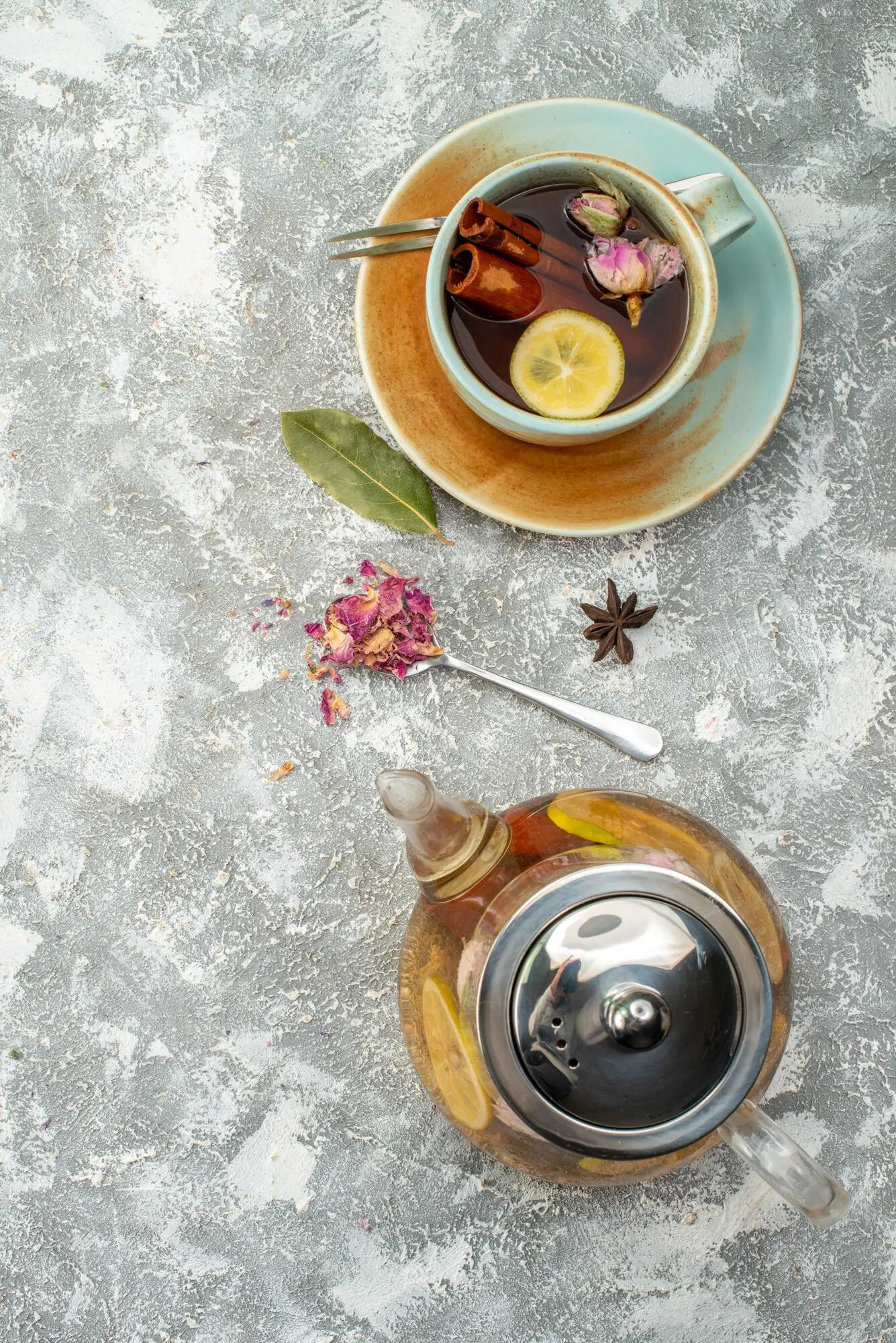
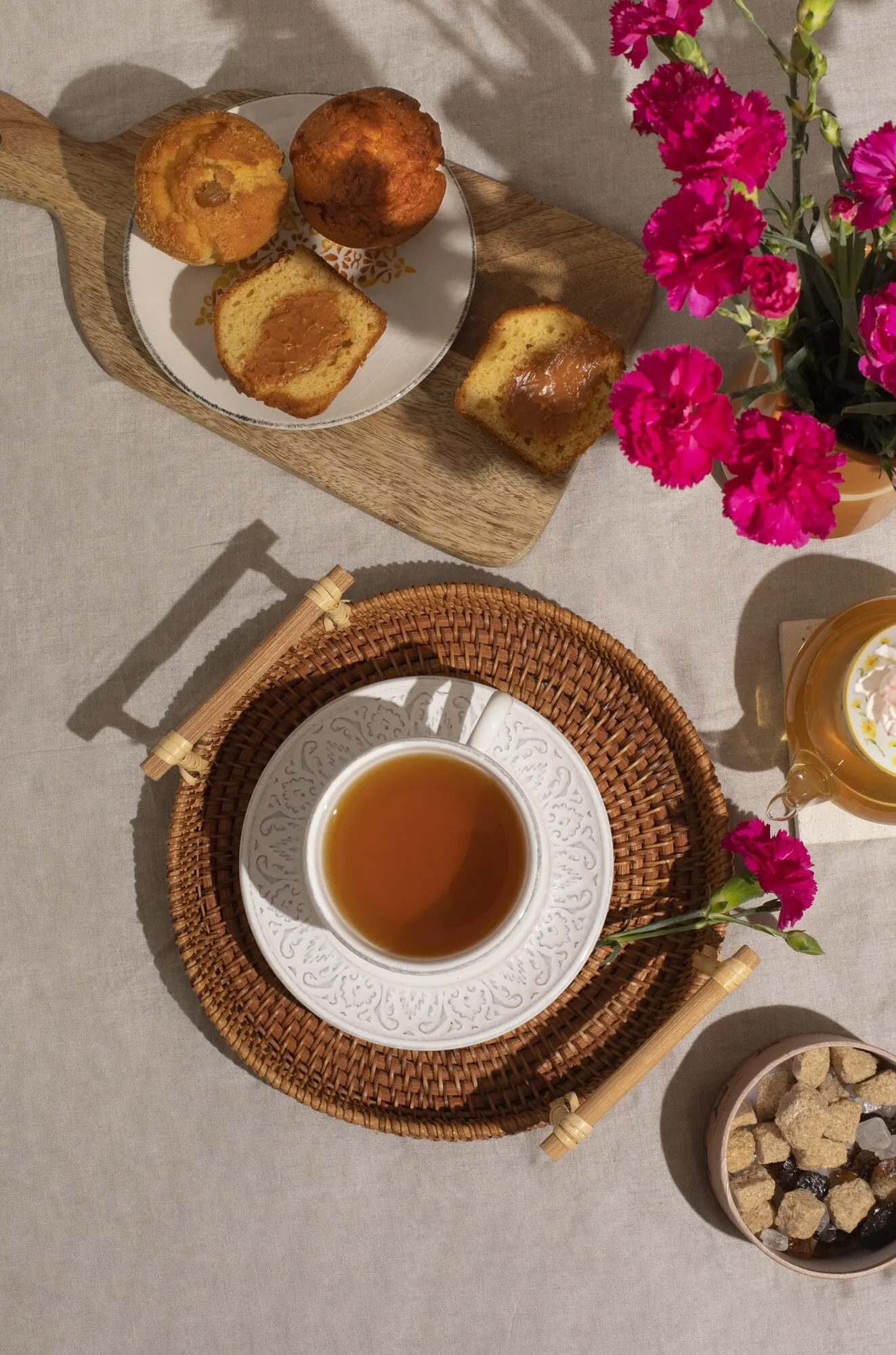
Great pastry deserves thoughtful tea. Darjeeling highlights citrus notes, Earl Grey flatters chocolate and cream, while jasmine green refreshes between savory mouthfuls. Brew attentively—water temperature matters—and pour small cups to keep aromas lively. Arrange tiers for rhythm: savory first, scones mid, sweets last. Offer clear labels for allergens, napkins for warm fingers, and extra spoons for sharing. Tell us what worked, what surprised your guests, and what you want to master next time.
Lemon-forward pastries sparkle beside Darjeeling’s muscatel lift, while coconut creams adore the bergamot in Earl Grey. Berry tartlets sing with a clean sencha or bright hibiscus, restoring focus before richer layers. Keep a caffeine-free pot—chamomile with orange peel—for gentle pacing. Offer milk alternatives warmly frothed, and a small honey alternative for guests who sweeten. Encourage curious mixing, noticing how tannins, acidity, and aromatics weave differently through each delicate, carefully composed pastry.
Bake scones close to serving for their best sigh of steam, yet assemble curds, creams, and tart shells a day ahead to ease the rush. Store components sealed and chilled, then bring creams just cool, not fridge-cold, for ideal texture. Warm plates slightly for scones, keep puff crisp in a low oven, and plan a calm five-minute window before pouring tea. A thoughtful schedule grants you spaciousness to notice smiles and savor your own plate.
Welcome every eater by labeling allergens clearly, offering both sweet and savory options, and keeping cross-contact careful and kind. Set a small ritual—perhaps the first pour served to a guest of honor—to anchor the table in gratitude. Invite stories about family trays and first bakes, then ask readers to share photos, tweaks, and triumphs. Subscribe for seasonal menus, reply with requests, and help shape our next inventive spread, one gracious cup at a time.
Lorokentonexomorisentoxari
Privacy Overview

This website uses cookies so that we can provide you with the best user experience possible. Cookie information is stored in your browser and performs functions such as recognising you when you return to our website and helping our team to understand which sections of the website you find most interesting and useful.